Japanese Indietronica
This article was originally written in Italian by Riccardo, and was then translated into English. Click here to read the original.
While the global indie scene was all about Bloghouse and MySpace, something quieter and more introspective was blooming in Japan. It wasn't really a scene with a name, but rather, a bunch of artists mostly working alone in their bedrooms, stitching together delicate acoustic melodies with glitchy electronics and whispered vocals, in what's called folktronica / indietronica. Most of these artists are ghosts now, their music scattered across mostly defunct blogs, but the feeling of this type of music is so heartwarming that it can really make you feel like you're actually at one of those tiny live shows in a basement club in 2008 in Shibuya. That specific, hazy nostalgia that only those pictures and artists can evoke.
miyachan akichan
This is the perfect example of how ephemeral this whole world was. miyachan akichan was a collaborative project name that appeared on the Rain netlabel around 2009. The EP Lucky Star is the archetype: tagged as folktronica, art pop, toytronica, glitchtronica. The sound is built from "infantile" female vocals layered over glitchy, twee beats and melodies that started this all new wave of music. It was a fleeting collaboration, involving guitarist Daisuke Miyatani and vocalist Aki Tomita. There are no interviews, and no biographies.
miyauchi yuri
In contrast, miyauchi yuri operated with a clearer, more studio-minded approach. In a 2011 interview, he openly talked about his journey, which is pretty revealing for the influences behind his whole style. He said he loved J-pop but got into "electronica" mostly because the word sounded cool. His goal was always to make pop music, just using electronic tools to get there. He described other electronic musicians his age as people he couldn't really relate to, joking that talking to them made him nervous because their musical references were so different. That's a key insight, for a lot of these artists, that folktronica wasn't about being avant-garde; it was just a natural way to make intimate, melodic music by yourself. He is still active to this day but his older projects like the album “Farcus” from 2007 is a better representation of the style discussed in this article.
Then there's meso meso, the work of an artist named Yumiko. She was really active in the scene from 2006 to 2011 and her projects are the ones that really scratch that itch for me. They are very well done but in a way that feels oddly unsettling.
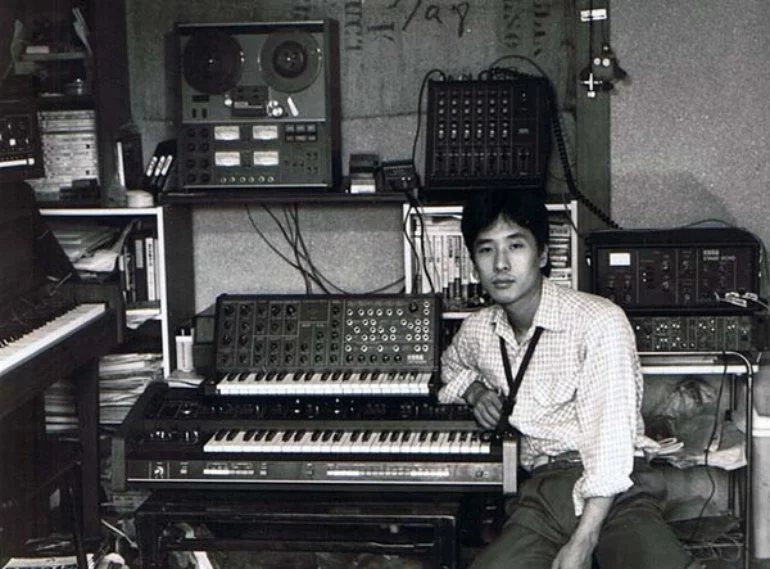
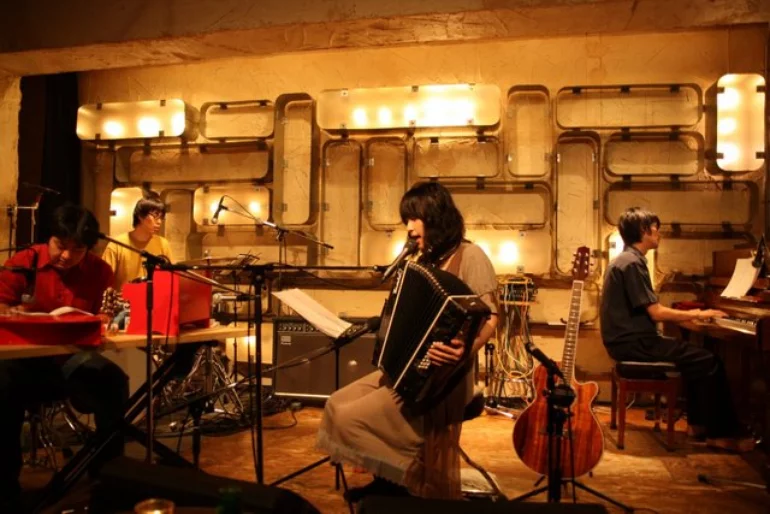
Also, veterans like Seiji Toda (of the bands Shi-Shonen and Real Fish) have connections to this web. By the late 2000s, his solo work embraced a melodic, polished electronica that shared the same sensitive, pop-adjacent DNA, showing that this sensibility had deeper roots.
Where does "Smile Down Upon Us" fit? The duo Smile Down Upon Us (vocalist MoomLooo and British multi-instrumentalist Keiron Phelan) are often cited in this context. Their 2008 album is a pristine example of the formula: moomlooo's delicate, acrobatic vocals into a tapestry of acoustic guitar, cello, flute, and subtle electronics. They're a slightly more visible node in the network, but their cross-continental, file-swapping method of collaboration was utterly emblematic of the era's new possibilities.”