A Taste of and Glimpse into Italy in East Los Angeles
This Northeastern-style deli and market, aptly called Frumento's Italian Market Deli, is located right in the heart of Montebello, California. It is a family-owned business founded by Anthony and Barbara Frumento in 1958, but the market's Italian roots go far beyond the married couple that started it. In 1928, Anthony's parents, immigrants from Genoa, Italy, opened the first Frumento's Market on the corner of North Broadway and Ord Street. Through their hard work and perseverance, the place prospered, serving fresh fruits and vegetables to many restaurants within the area.
Anthony, or Tony, grew up helping in the shop, naturally inheriting the discipline and values of his immigrant parents. In his late teenage years, he joined the Navy and was stationed in Northern California, where he met his future wife and business partner Barbara Viola, whose parents were also Italian immigrants. After marrying and following Tony's discharge from the service, the couple returned to Los Angeles and opened their own Italian market on Beverly Boulevard-where it continues to operate today.
The six children of Tony and Barbara all pitch in with daily responsibilities at the market, from small tasks to larger tasks like cleaning and preparing meats. For close to three decades, the Frumentos have brought a taste of home to the area's Italian community. As demographics shifted and many Italian families moved away, the market has adapted its menu to suit the changing tastes of the neighborhood, while still preserving many traditional items and dishes from its roots.
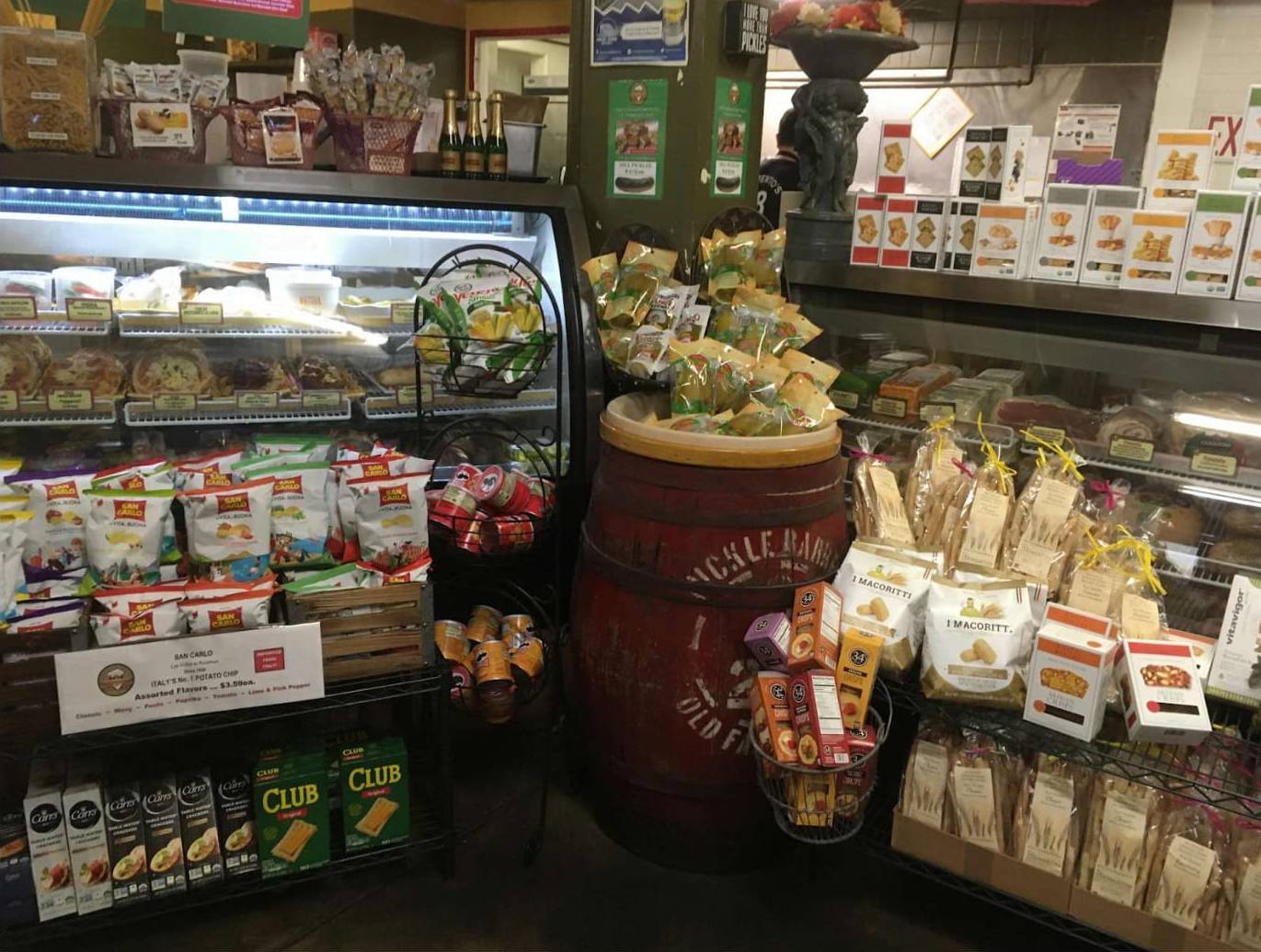
I have been to this deli many times, and every time has been unique- from the flavorful sandwiches to the irresistible desserts. What's more, it has something for everyone, from timeless classics to pasta and pizza. Its market is no exception, with a selection of imported Italian treats adding to the authentic atmosphere. The selection of pastas, sauces, and snacks transported directly from Italy creates an authentic experience.
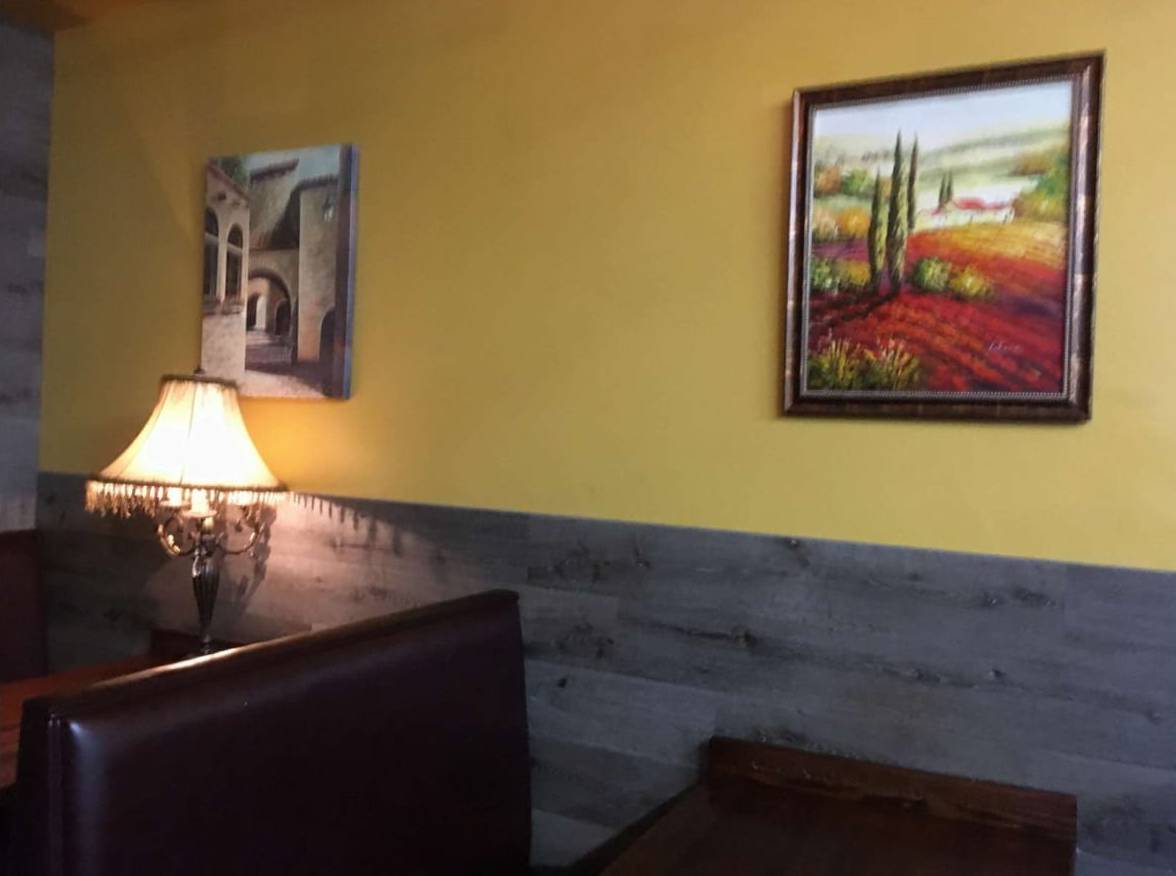
This presentation of meats and prepared foods evokes a type of classic Italian-American charm, harkening back to images from The Sopranos or some other iconic portrayal of East Coast Italian life. The dining area echoes that feeling, with its warm lighting, vintage artwork, and Rat Pack music playing in. All combined, this creates a space in which visitors are encouraged to dive headfirst into both Italian and Italian-American traditions—so much so that, every time I have visited the restaurant, it is basically as if I have entered the world of an old-school family-run establishment.
Beyond the food and the family history, the deli's art and such creates another layer. Much of the artwork hanging on the walls marries a vintage, almost nostalgic feel with a more modern, expressive touch. Some appear pretty abstract, their colors bold, their designs perhaps a little random, not at once communicating any meaning but also having such a meaning at the same time. A mix of old-world imagery and contemporary style makes the deli seem both preserved in time and very much alive, as if each visit could reveal some new detail you'd overlooked before.
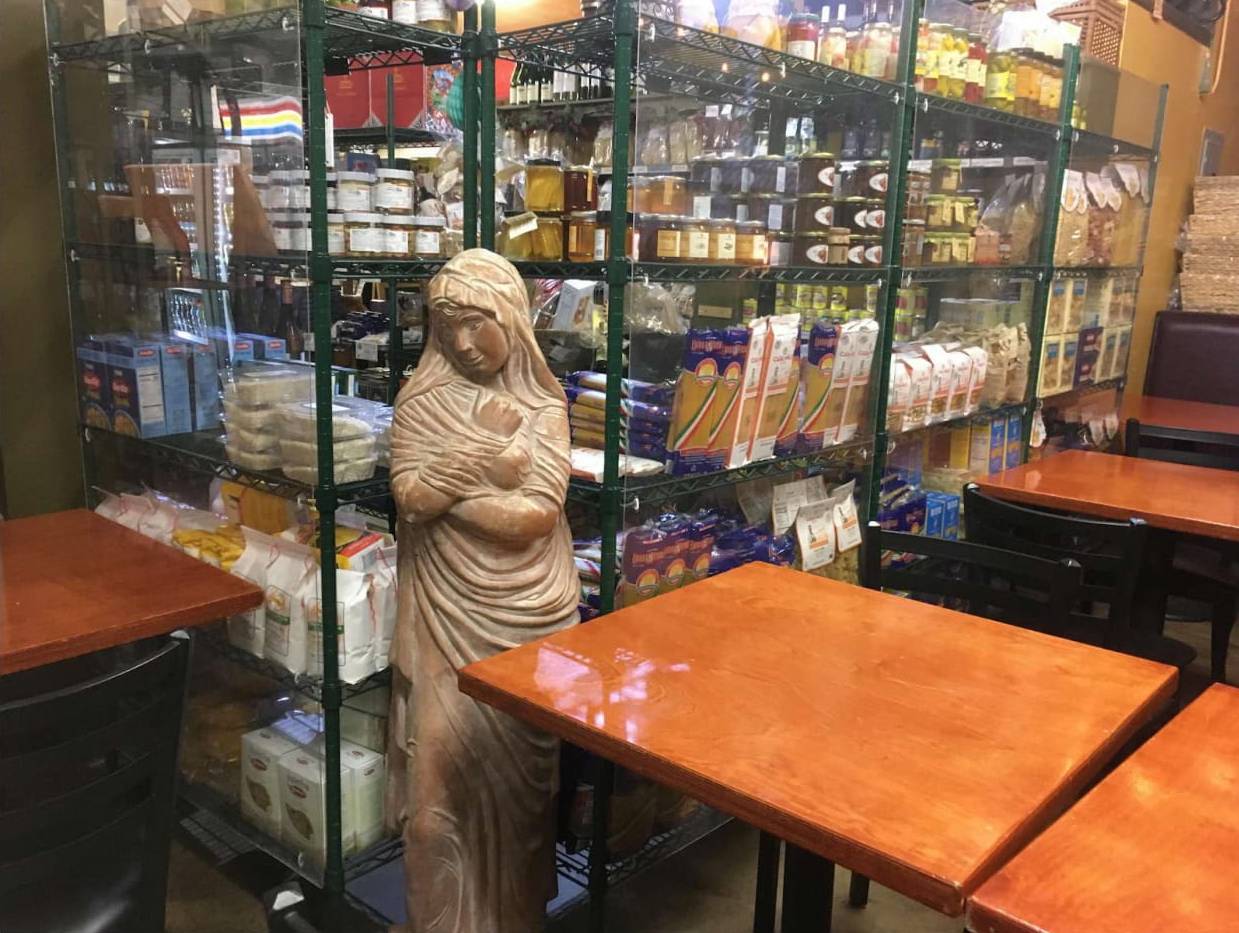
What surprisingly ties it altogether, though, is the music. The Crooner soundtrack, already echoing through the dining area, shifts the artwork from simple decoration to part of a full sensory environment. The music softens the sharper edges of the art and enhances the charm of the more traditional pieces, including the subtle Catholic imagery scattered throughout the deli. These religious symbols, whether a small statue of a saint, a cross, or an old framed print-honor the Frumento family's cultural roots and proffer a quiet reverence balancing the lively energy of the market. All together, the art, music, and cultural references create a space that feels authentically Italian-American, shaped not just by food, but heritage, aesthetics, and identity.
During one visit, I briefly spoke with an employee who just happened to be a member of the Frumento family, as well as with a fellow customer who also shared Italian heritage. The employee emphasized how preserving his family's culture is important in this community, where its presence has gradually diminished. He said that every year, less and less of the local population is Italian, so the continuation of the market is more meaningful than ever. The customer, who told me her family had been visiting Frumento’s for as long as she could remember, echoed his sentiment. She spoke with passion of the comfort and familiarity of the market and how vital it is in sustaining the smaller Italian community remaining in the area. To her, like many others, the deli serves much more than simple food; it is a reminder of heritage, connection, and hope.